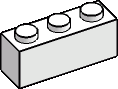
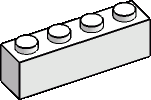
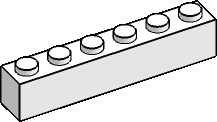
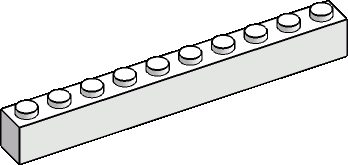
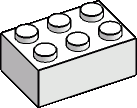
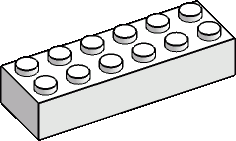
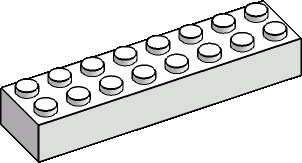
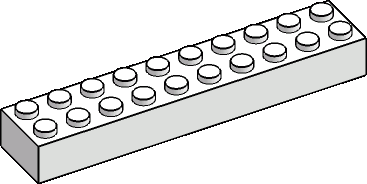
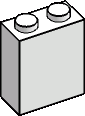
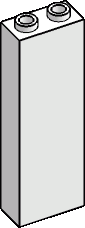
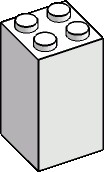
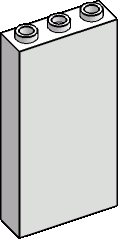
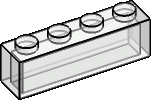
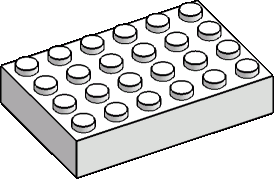
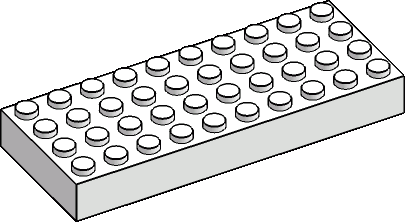
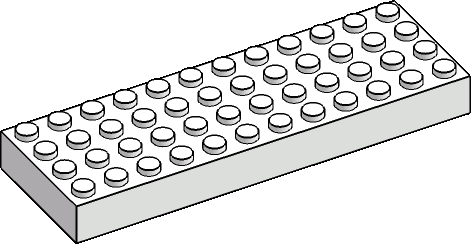
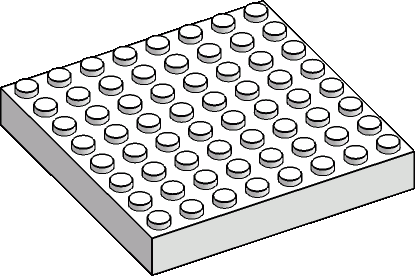
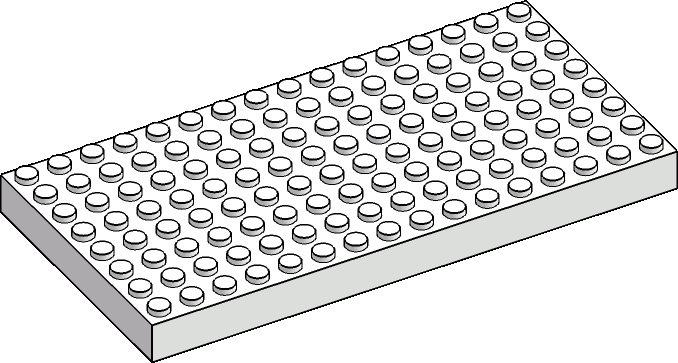
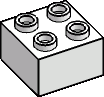
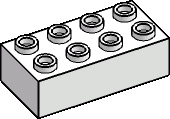
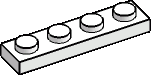
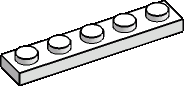
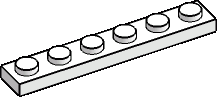
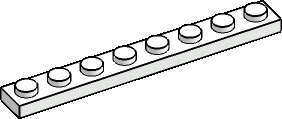
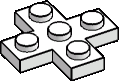
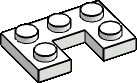
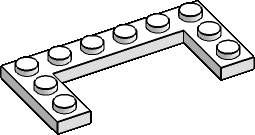
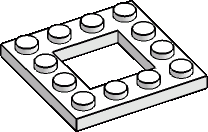
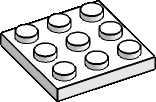
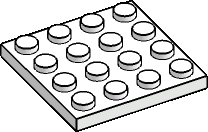
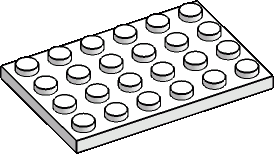
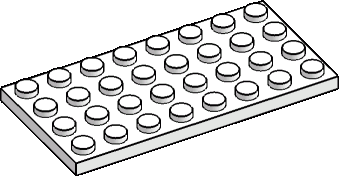
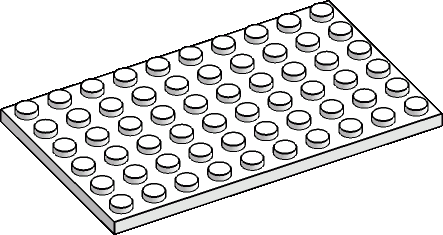
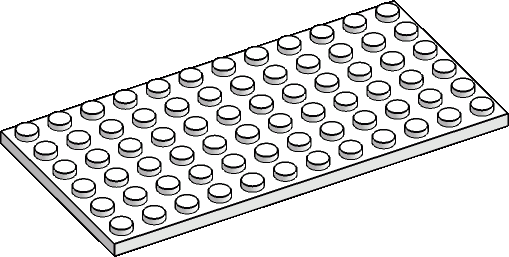
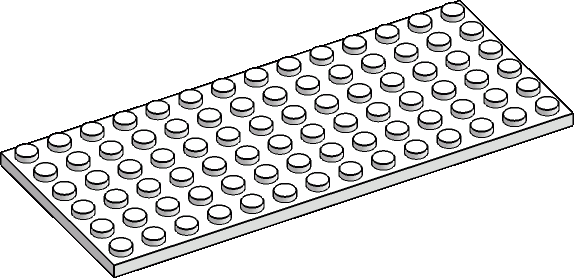
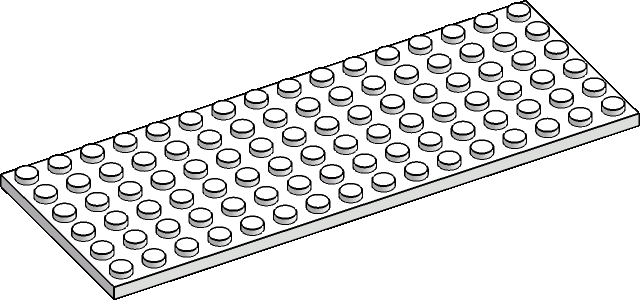
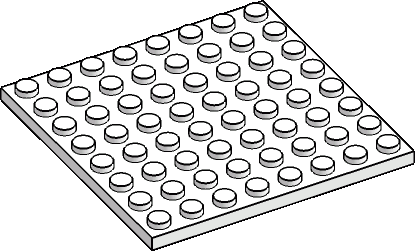
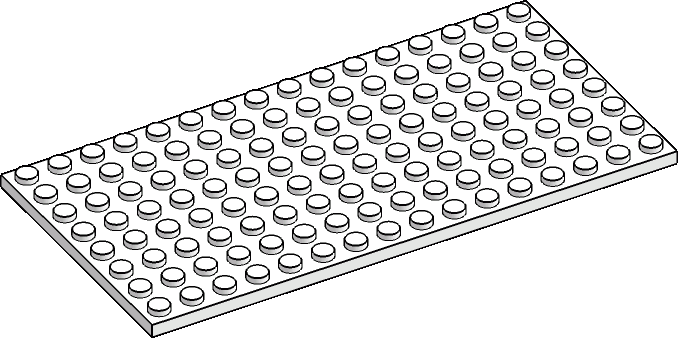
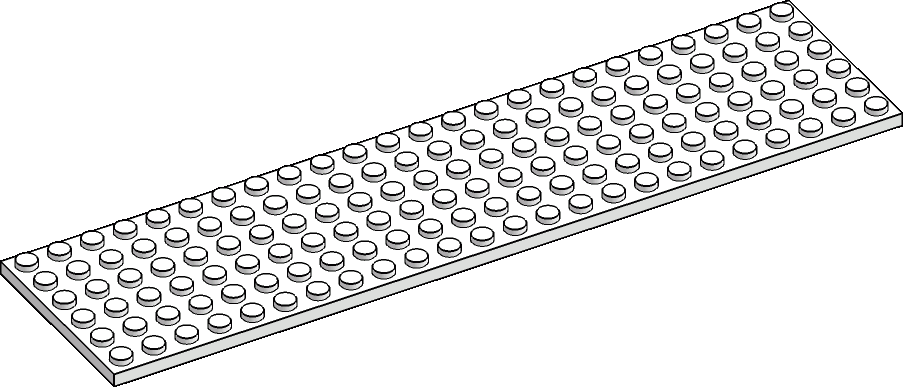
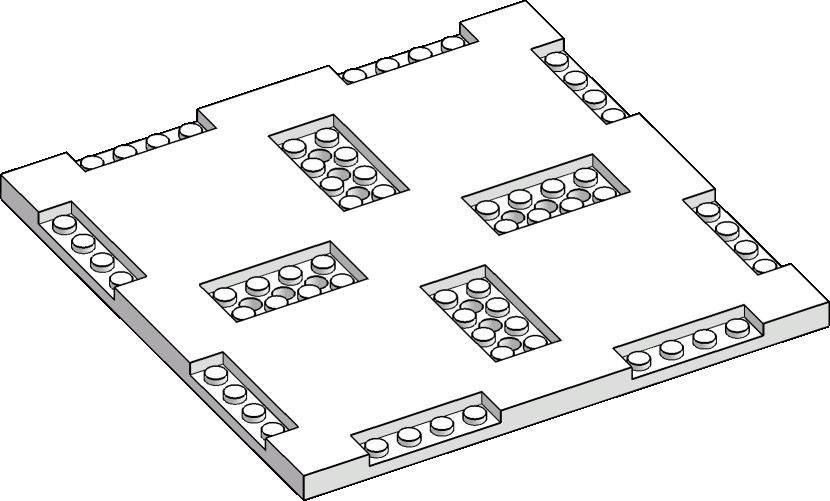
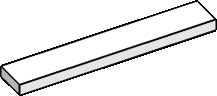
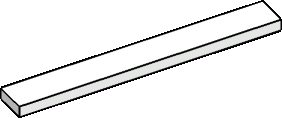
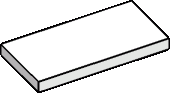
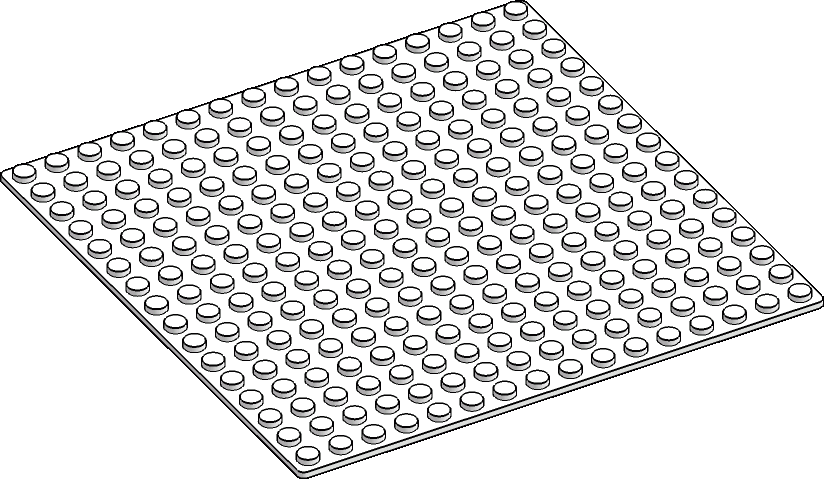
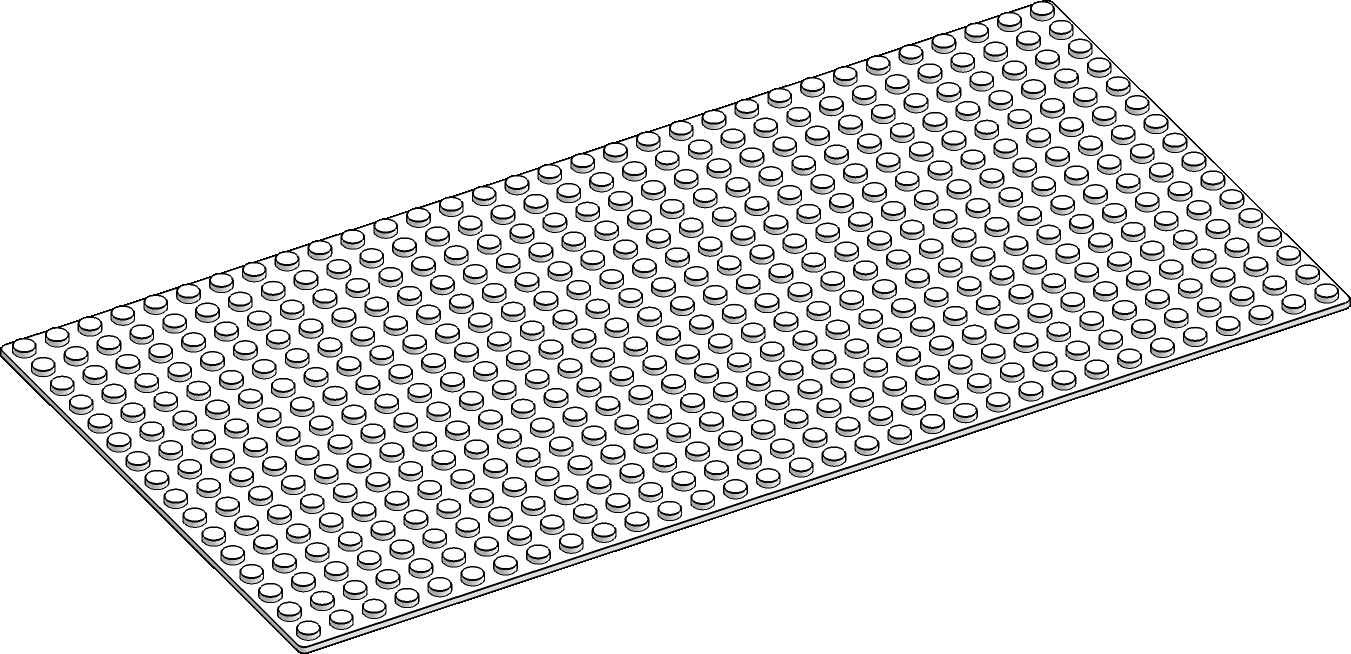
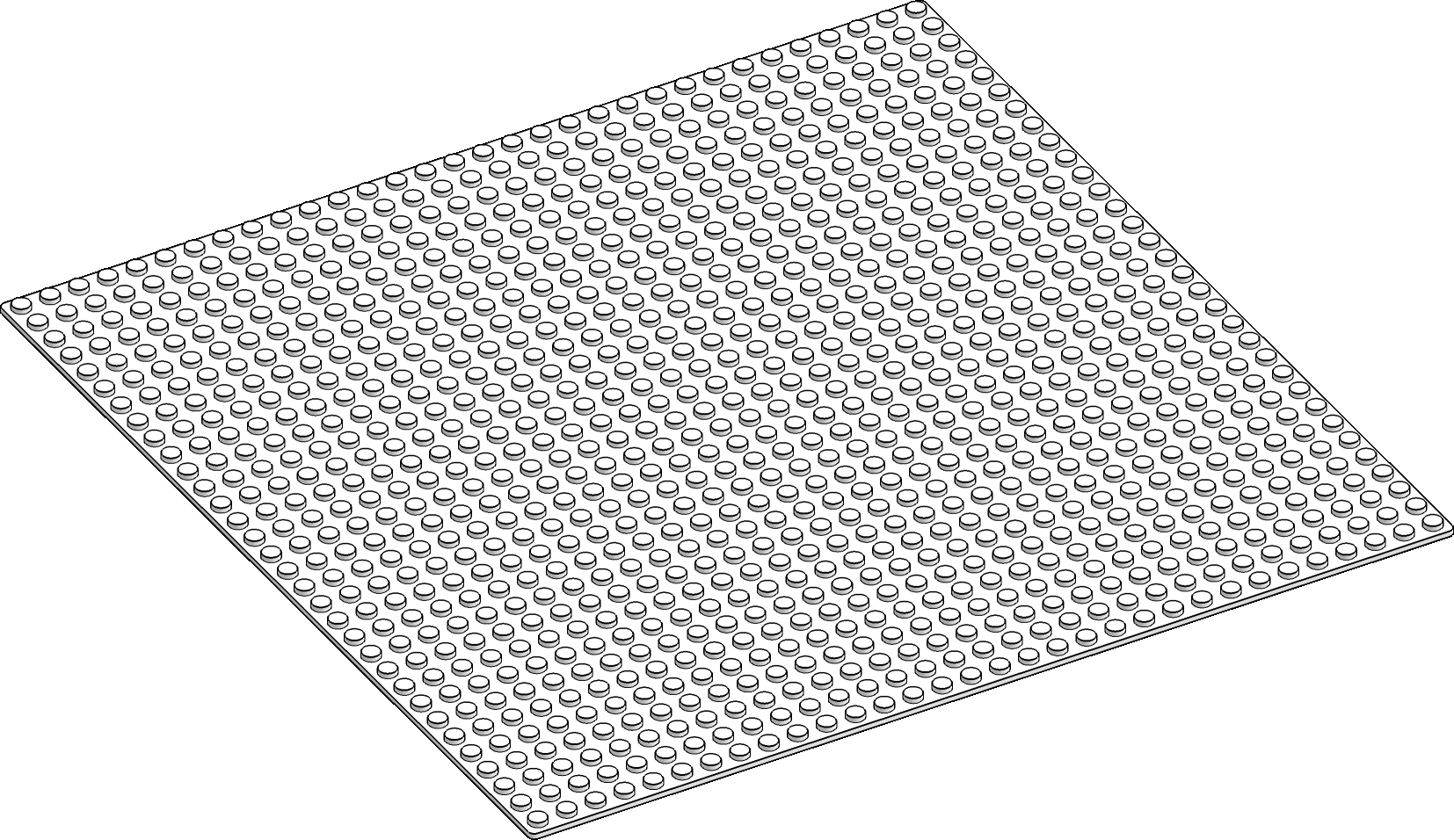
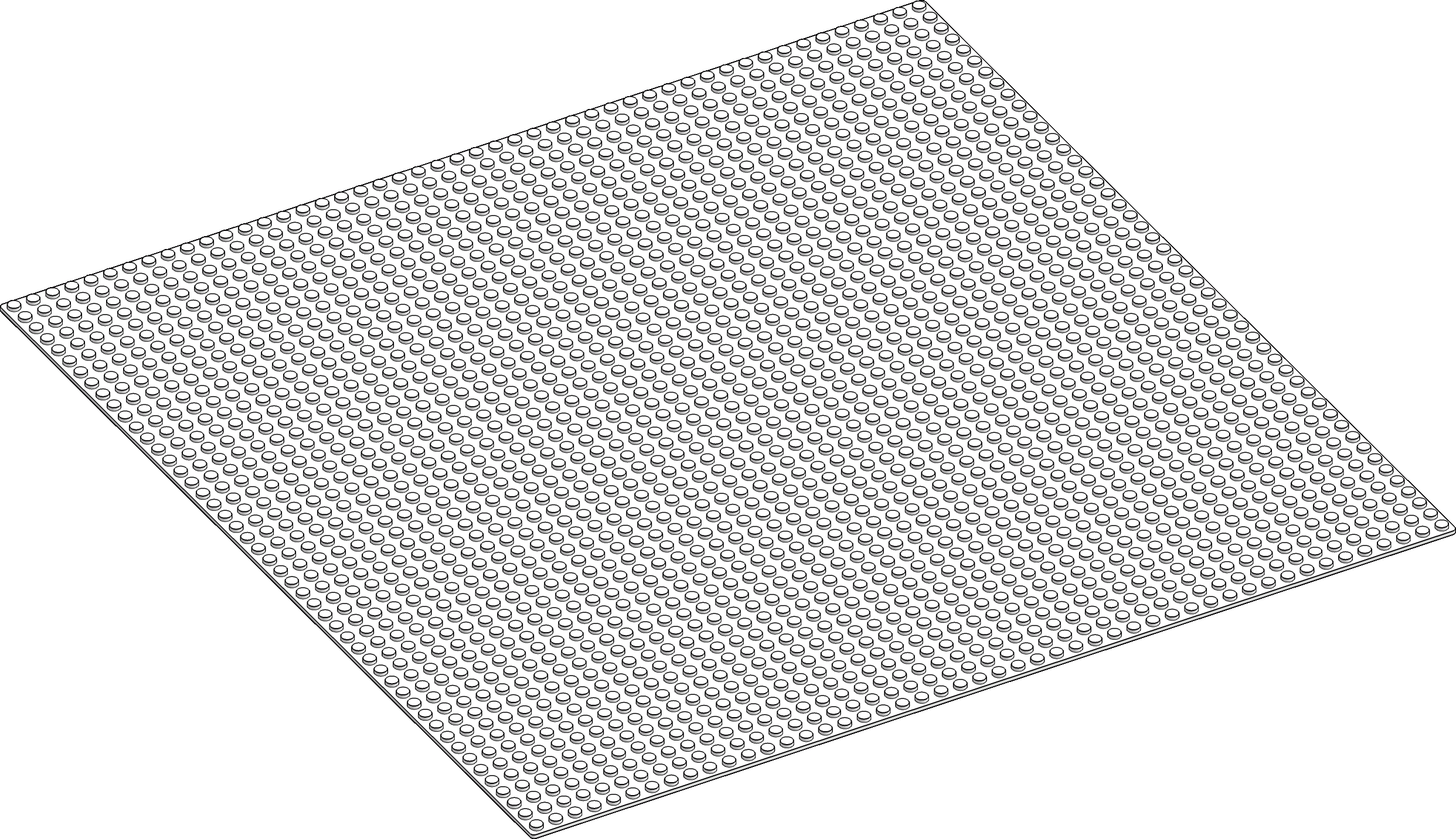
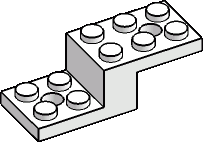
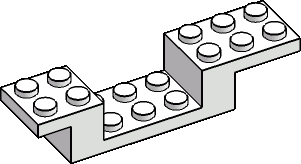
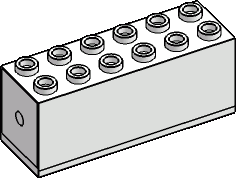
Basic (128 parts)
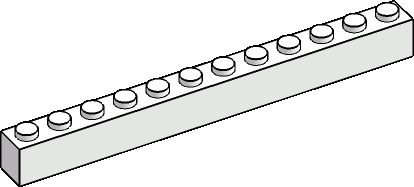
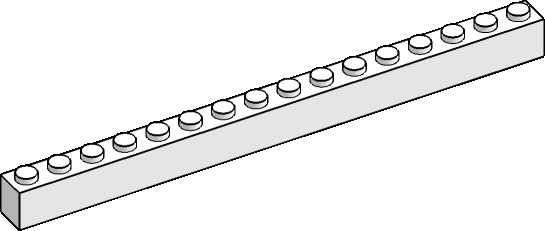
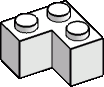
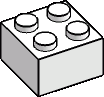
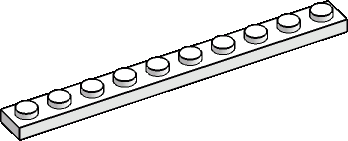
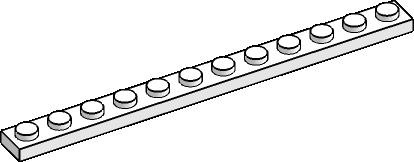
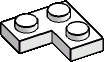
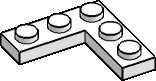
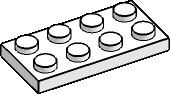
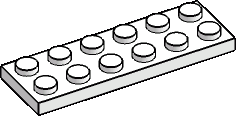
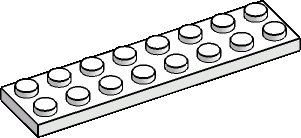
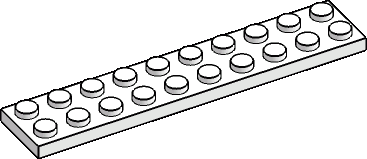
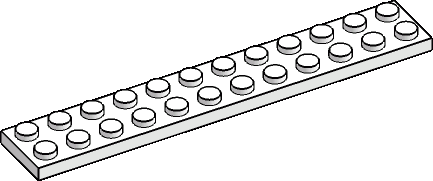
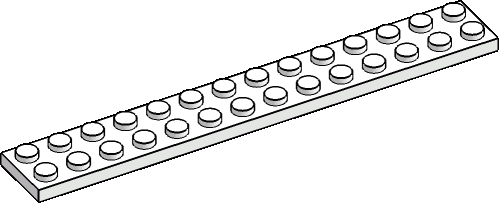
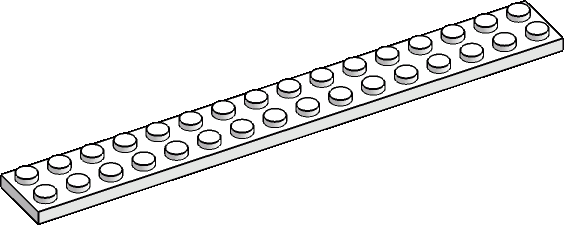
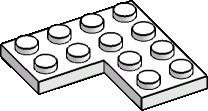
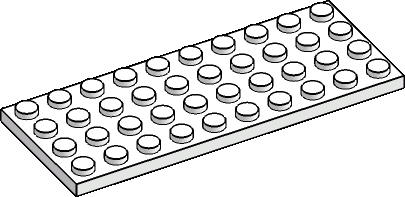
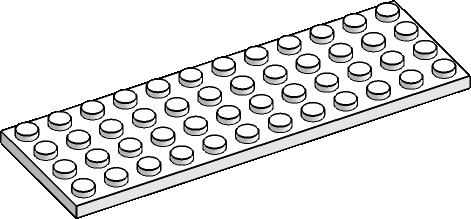
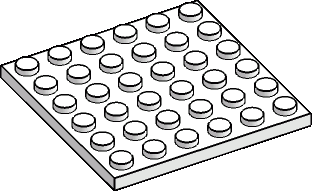
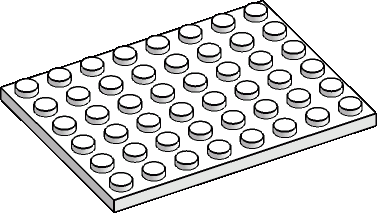
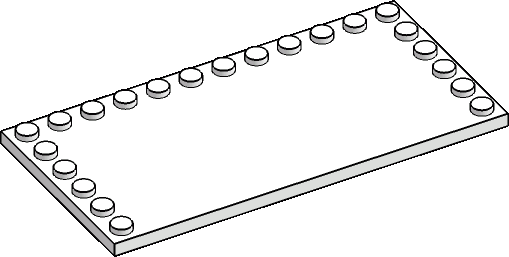
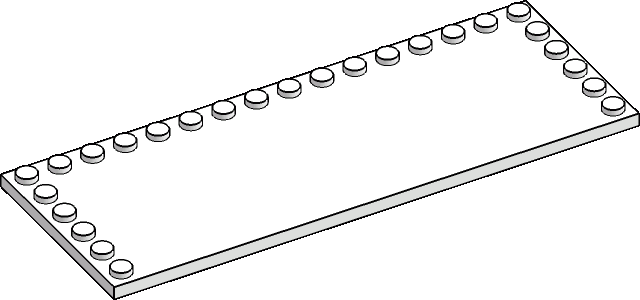
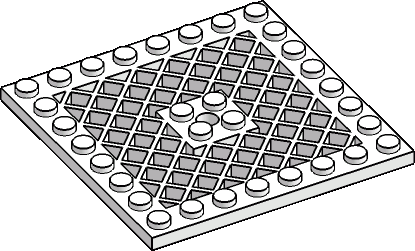
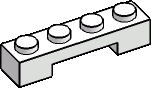
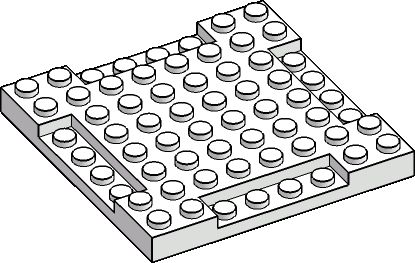
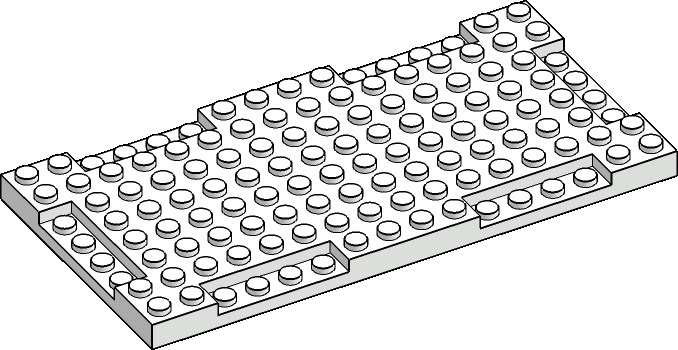
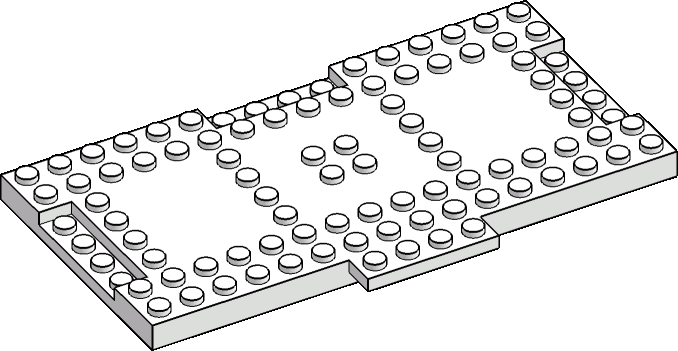
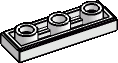
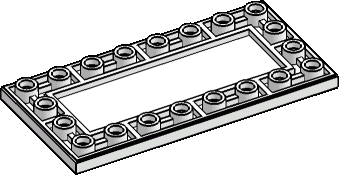
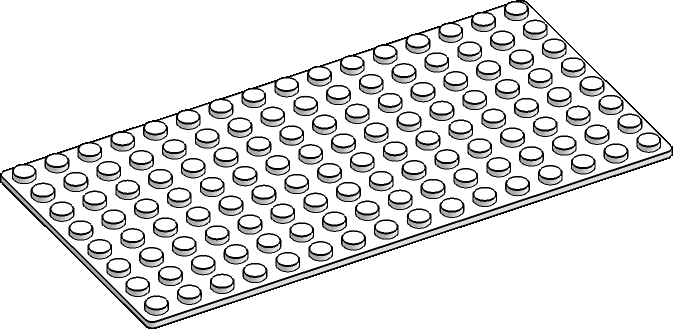
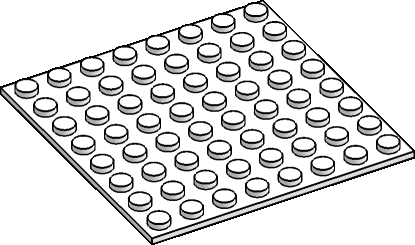
Classic LEGO Bricks, Plates, and Tiles can be stacked vertically by attaching the round studs with a small amount of pressure.
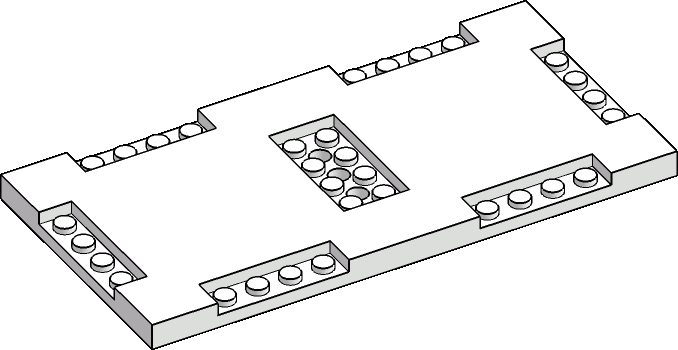
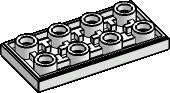
Pushing the studs of one brick into the 'anti-studs' of another brick creates a tight connection which is commonly called 'Clutch Power'.
Parts that have additional features will appear in a different category. For example, a brick with a stud facing outward would be in the SNOT category, a plate with a clip will be in the clips category, and a brick with a Technic pin hole will be in the Technic category.
What is 'Clutch Power'? It is the result of an 'Interference fit' between a stud and antistud (the space where a LEGO Stud attaches on the underside of another LEGO Brick). This occurs because a stud is slightly larger than the opening in the underside of a LEGO brick. When you are pushing on the top of a brick to attach it, the stud is forcing the plastic it is touching to deflect slightly.